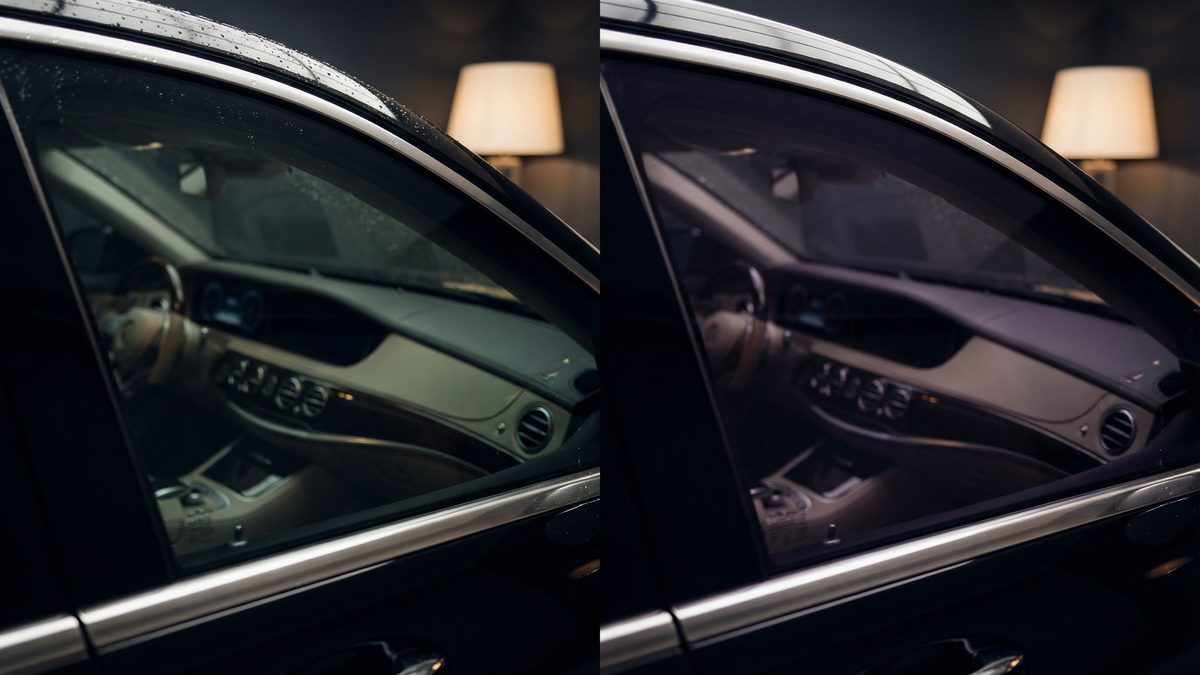
Ceramic vs. Dyed Window Tint: Which is Right for Your Car?
The Great Debate: Ceramic vs. Dyed Window Tint
When you decide to get your car's windows tinted in St. Cloud, MN, you're immediately faced with a choice: standard dyed film or premium ceramic film. While both will darken your windows and give your vehicle that sleek, finished look, the similarities end there.
What is Dyed Window Tint?
Dyed window tint is the traditional standard in the industry. It uses a layer of dye to absorb solar heat and block light from entering the cabin. Our Classic line is a high-quality dyed film that won't turn purple or bubble like cheap gas-station tints.
Pros: Most affordable option, provides excellent privacy, blocks 99% of UV rays, reduces glare.
Cons: Lower heat rejection compared to ceramic, can break down faster under extreme heat over many years.
What is Ceramic Window Tint?
Ceramic tint represents the pinnacle of window film technology. Instead of dye, it uses microscopic nano-ceramic particles that are non-conductive and non-metallic. Our LLumar CTX and Pinnacle lines are industry-leading ceramic films.
Pros: Massive heat rejection (up to 60% of total solar energy), blocks infrared heat, crystal clear visibility day and night, zero electronic signal interference.
Cons: Higher upfront cost.
The Heat Rejection Difference
This is where ceramic film truly shines. While dyed film might block 20-30% of heat, premium ceramic films can block over 60% of total solar heat and up to 90% of infrared heat (the heat you actually feel on your skin). In a Minnesota summer, this means your AC works less, your leather seats don't burn you, and your cabin stays dramatically cooler.
Which Should You Choose?
If you're on a tight budget and primarily care about aesthetics and privacy, dyed film is a great choice. But if you plan to keep your car for years, have leather interior, or want the ultimate driving comfort during hot summers, ceramic film is worth every penny of the upgrade.